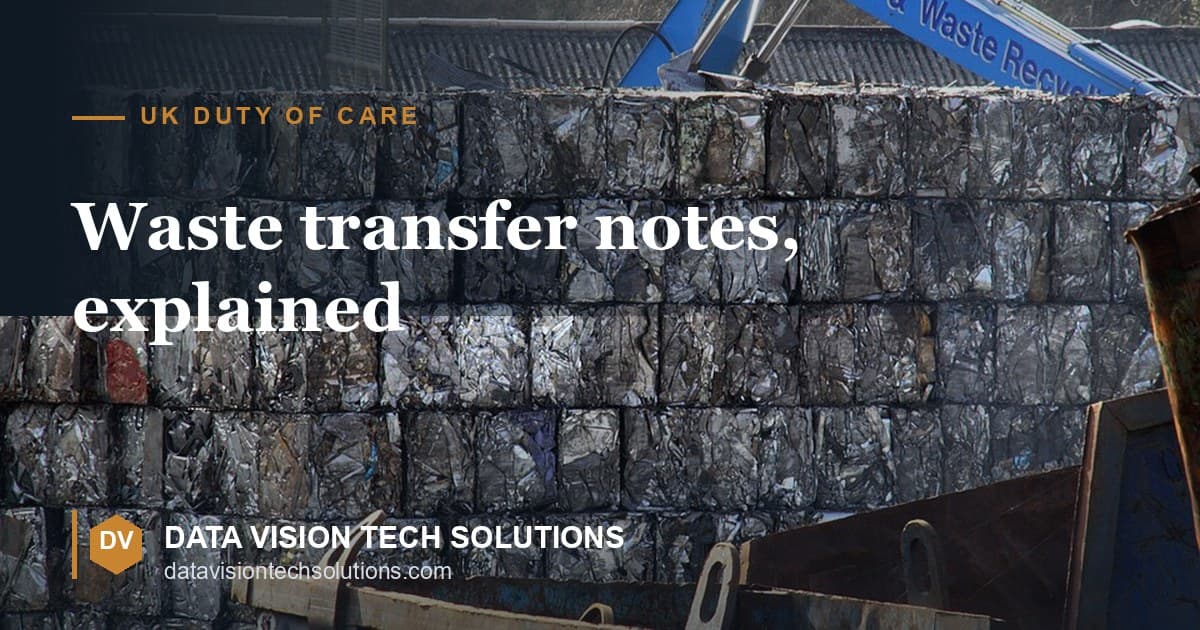
From collection to recovery to new ingots — how a closed-loop model creates value and cuts emissions.
What "closing the loop" actually means in metals
The circular economy is often described in the abstract — design out waste, keep materials in use, regenerate natural systems — but in metal recycling it has a very literal meaning. A used beverage can, an end-of-life engine block, or an off-cut of extrusion profile isn't waste; it's feedstock that can be recovered, remelted, and returned to industry as a certified ingot with no permanent loss of the metal's properties.
That's what separates metals from most other recycled materials. Paper fibres shorten with each recycling pass and plastics degrade in quality, but aluminium, copper, and other metals can be remelted indefinitely without losing their fundamental characteristics. The loop genuinely closes — the same atoms that made up a car's engine block years ago can be cast into tomorrow's alloy ingot without any quality penalty, which is why metal recycling is one of the few places where "circular economy" is an engineering reality rather than an aspiration.
That distinction matters commercially as much as environmentally. A manufacturer specifying secondary aluminium isn't accepting a lesser material as a sustainability compromise — they're specifying the same chemistry and mechanical performance as primary metal, produced with a fraction of the energy input. The circular economy, in this material, isn't a trade-off against quality; it's simply a more efficient route to the same end product.
Inside the loop: collection to certified ingot
The loop starts with collection — sourcing graded scrap from verified industrial and commercial suppliers rather than uncontrolled sources, which is the first safeguard for both quality and legality. Every consignment is inspected, weighed, and documented on arrival, then sorted by grade, de-coated, and cleaned before it's charged into a furnace.
Melting takes place in rotary, induction, or reverberatory furnaces depending on the material and target alloy, after which alloying elements are added to hit a specific target chemistry — this is the step that turns a mixed pile of scrap into a defined, repeatable alloy grade rather than a best-effort blend. Flux treatment and degassing remove impurities and dissolved hydrogen, and the molten metal is then cast into ingots by gravity or continuous casting.
After cooling and surface finishing, every batch goes through optical emission spectrometry and mechanical testing before certification — the same verification a primary ingot would undergo — and the certified ingots are packaged and dispatched back into manufacturing supply chains. From discarded scrap to a certified, traceable ingot is a closed loop with a defined, auditable process at every stage — not an informal recycling gesture.
The environmental math
The environmental case for closing the loop is straightforward: recycled aluminium uses up to 95% less energy than primary smelting, and every tonne of metal recovered through the loop is a tonne that didn't need to be mined and reduced from ore. That energy saving is the largest single lever in reducing the embodied carbon of aluminium products, and it scales directly with how much of a supply chain's metal comes from certified secondary sources rather than virgin material.
The environmental commitment extends beyond energy use. Responsible recyclers operate under ISO 14001:2015 environmental management certification and align with frameworks like RoHS (restricting hazardous substances) and REACH (chemical registration and safety), which govern how residues and by-products from the melting process are handled, not just how the finished ingot is certified. Recovering value from what would otherwise be industrial waste, while managing the process responsibly, is what makes the loop genuinely circular rather than just a recycling claim on a datasheet.
Health and safety sits alongside the environmental commitment rather than apart from it — a facility handling furnace operations, de-coating, and hazardous streams like battery scrap needs safety-first procedures for its own workforce as a precondition for operating responsibly at all, not as a separate initiative. Community impact follows the same logic: a recycling operation that manages emissions, noise, and waste responsibly is one that can operate as a long-term neighbour to the community around it, rather than one that trades short-term throughput for problems it eventually has to answer for.
Beyond aluminium: a loop for every metal
Aluminium gets most of the attention in circular-economy conversations, but the same loop applies across the full range of industrial metals. Copper scrap — wire, tubing, bus bars — is recovered for its exceptional conductivity and fed back into electrical and renewable-energy applications where high-grade copper is always in demand. Brass from fittings, valves, and turnings returns to foundries as feedstock for new components. Stainless steel is sorted by grade (300 and 400 series) using spectrometer verification and traded back to mills and engineering firms, conserving the nickel and chromium that make it valuable in the first place.
Even more hazard-sensitive streams close the loop responsibly: lead recovered from used batteries is processed under safety-compliant conditions rather than left to contaminate the environment, and lithium-ion cells are handled under specialised protocols to recover lithium, cobalt, nickel, and copper while neutralising the risks involved. Cable and wire scrap is granulated to separate copper and aluminium conductors from plastic insulation, recovering both the metal and a recyclable polymer fraction.
The common thread across every material is the same: sorting by grade, verifying composition, and returning a certified, traceable material to industry — not disposal, but redirection back into productive use.
Measuring circularity: what to track
"Circular" is easy to claim and harder to measure, which is why documentation matters as much as the physical process. A genuinely closed loop should be trackable through a few concrete records: the tonnage of scrap collected by material type, the percentage of recycled content in each certified ingot batch, and the OES test results confirming that recycled-content ingot meets the same chemistry window as its virgin-material equivalent.
Batch traceability is what makes these numbers auditable rather than aspirational — a heat number linking a shipped ingot back to the furnace run it came from, and from there back to the scrap intake records, is what allows a manufacturer to report recycled content with confidence rather than an estimate. As sustainability reporting requirements tighten across export markets, this level of documentation is shifting from a nice-to-have to something buyers increasingly expect as a condition of the sale, not an optional add-on a recycler provides on request.
What manufacturers should ask their recycler
For a manufacturer trying to genuinely close their own material loop — rather than simply ticking a sustainability box — the questions worth asking a recycling partner are practical ones. Can they demonstrate where recovered material actually goes, batch by batch, rather than describing recycling in general terms? Do they hold ISO 14001:2015 certification, and can they show the documentation rather than just claiming it? Do they offer a buy-back programme that turns your own factory scrap and off-cuts into a revenue stream, closing your specific loop rather than a generic industry one?
It's also worth asking how a recycler handles the material that doesn't cleanly sort into a single high-value stream — mixed or contaminated scrap, painted sheet requiring de-coating, or shredder residue that needs further separation before it can be remelted. A recycler with the equipment and process to recover value from these harder streams, rather than simply rejecting anything that isn't clean feedstock, is doing more of the actual work a circular economy depends on.
A recycler who can answer those questions with documentation, traceability, and a demonstrable process is one who can actually help a manufacturer report real circularity — not just intent.
Reviewed by RA Recycle Service Technical Team